
Understanding Vaccine Cold Chain Storage Monitoring
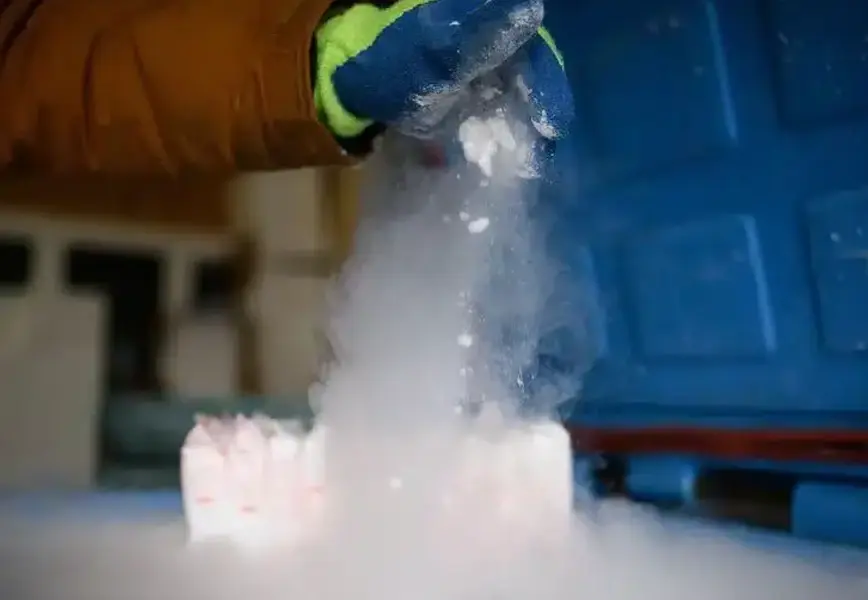
Proper vaccine storage and transportation are critical to maintaining safety, efficacy, and regulatory compliance. Across healthcare facilities, pharmacies, laboratories, and distribution centers, strict guidelines govern how vaccines must be stored, monitored, and documented throughout the supply chain. Even minor temperature fluctuations can compromise vaccine integrity, making cold chain storage monitoring an essential component of vaccine management.
Cold chain monitoring helps identify temperature excursions that may occur during storage or transport. Continuous electronic temperature monitoring devices (TMDs), also known as dataloggers, play a vital role in detecting and documenting these events. When paired with appropriate storage equipment, these devices help ensure vaccines remain within approved temperature ranges from the manufacturer to the point of care.
Just as important as monitoring is measurement accuracy. Temperature monitoring devices must be calibrated by an ISO/IEC 17025 accredited laboratory to ensure the data collected is reliable and defensible during audits or inspections. Every link in the vaccine supply chain — manufacturers, distributors, storage facilities, and healthcare providers — must follow CDC and manufacturer guidelines to maintain cold chain integrity.
Below is a closer look at key storage recommendations, monitoring device requirements, and calibration standards.
Vaccine Storage Equipment and Monitoring Best Practices
The CDC advises against using residential-style refrigerators and freezers for vaccine storage due to temperature instability. Instead, dedicated medical-grade or laboratory-grade refrigeration units are recommended to maintain consistent conditions and protect vaccine integrity.
Continuous temperature monitoring is also required, using devices with specific performance and documentation features.
Recommended Features for Temperature Monitoring Devices (TMDs)
- Current, valid certificate of calibration/testing
- Detachable probe placed in thermally buffered material (e.g., glycol, glass beads, sand, or Teflon®)
- Programmable sampling rate (minimum of one reading every 30 minutes)
- High and low temperature alarms
- Display of current, minimum, and maximum temperatures
- Reset function
- Low battery indicator
- Recommended uncertainty of ±0.5°C (±1°F)
- Minimum memory capacity of 4,000 readings
- Non-overwriting data storage
- Automatic stop when memory is full
- Buffered temperature probe*
* Buffered Temperature Probes
Buffered probes more accurately reflect the temperature of stored vaccines than air temperature alone. CDC recommendations specify buffer bottles with a minimum diameter four times that of the probe, immersion depth ten times the probe diameter, and placement 1–2 cm from the bottom of the bottle.
Calibration and Compliance Requirements
The World Health Organization (WHO) requires regular calibration of temperature monitoring devices used in vaccine storage to verify accuracy across their operating range. Calibration must meet one or more of the following criteria:
- Performed by a laboratory accredited to ISO/IEC 17025 or a recognized international accrediting body
- Traceable to National Institute of Standards and Technology (NIST) standards
- Meets ASTM E2877 Tolerance Class F requirements (±0.5°C / ±1.0°F)
Routine calibration ensures confidence in recorded temperature data, supports audit readiness, and reduces the risk of vaccine loss due to undetected temperature excursions.
Maintaining vaccine integrity depends on more than proper storage alone. The combination of reliable refrigeration equipment, continuous temperature monitoring, and traceable calibration is essential to preventing waste, ensuring regulatory compliance, and protecting patient safety.
Precision Calibration Systems (PCS) supports healthcare and life science organizations with a full range of ISO/IEC 17025 accredited calibration services, including laboratory refrigerators, freezers, and temperature monitoring devices. With fast turnaround and personalized customer service, we help customers stay compliant while maintaining uninterrupted operations.
ISO/IEC 17025 Accredited Calibration From PCS
-
ISO/IEC 17025 accredited calibration services
-
Affordable calibration services with some of the fastest turnaround times in the industry
-
Mail-in laboratory calibration available in all 50 states
-
On-site calibration service available in Tennessee, Virginia, Alabama and Kentucky