
Dimensional & Mechanical Calibration Services
Dimensional Calibration Services from PCS
Accurate dimensional measurements are the foundation of quality manufacturing, precision engineering, and regulatory compliance across countless industries. When your measuring instruments drift out of specification, production delays, quality issues, and costly rework follow. Precision Calibration Systems provides comprehensive dimensional calibration services that ensure your measuring equipment delivers the precision your operations demand.
PCS possesses a large inventory of highly accurate measuring machines including Pratt & Whitney Labmasters, Universal super-micrometers and a wide range of other of state of the art measuring equipment. Our environmentally controlled laboratories are capable of calibrating gauges with uncertainties of less than 2 micro-inches.
Hand Tool Calibration
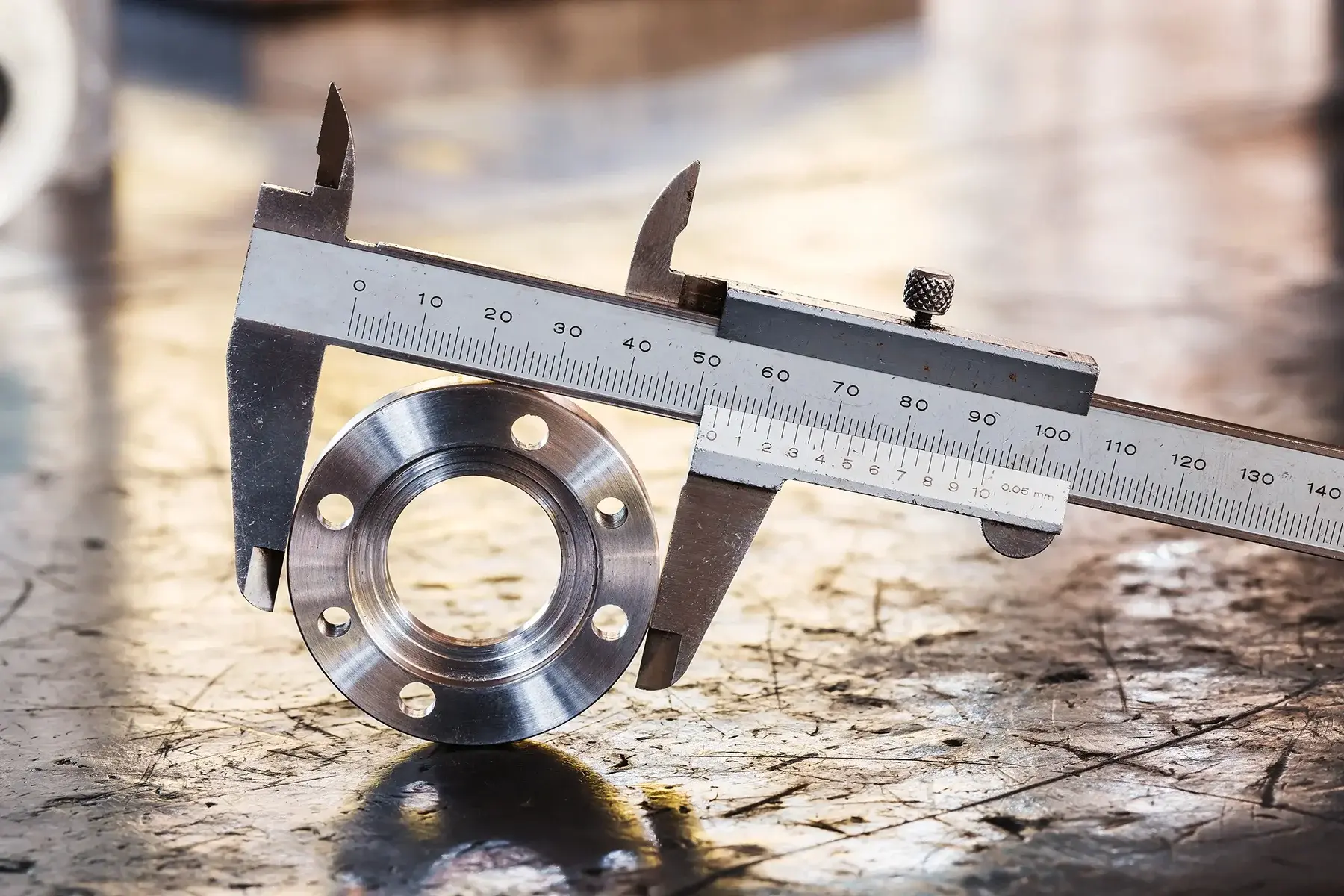
Superior gauge masters are used to calibrate a wide range of measuring hand tools which are used in almost all manufacturing processes in today’s industry. Gage blocks are a primary part of our procedures for calibrating calipers, micrometers, bore gauges, depth gauges and height gauges. Depending on the size or type of the gauge we may also incorporate caliper masters, micrometer masters, height masters or master length standards to provide calibration points throughout the instrument measuring range. Tape measure and steel rule calibration is achieved by comparison to our NIST traceable master length standards and master steel rules. Precision levels, protractors, angle indicators and steel squares are calibrated in a similar fashon by comparison to master levels, master protractors, gauge blocks and angle blocks.
Mechanical and Dimensional Calibration Services:
- Gage Blocks
- Hardness Tester
- Pin & Plug Gauges, Cylindrical
- Surface Roughness Standards
- Ring Gages, Cylindrical & Threaded
- External Thread Gages (UN/UN STI/Metric)
- Length Standards
- Calipers
- Micrometers (OD & ID)
- Height Gauges
- Depth Gauges
- Indicators (Dial/Digital/Test)
- Snap Gauges
- Feeler (Thickness) Gages
- Tape Measures & Steel Rules
- Precision Levels & Steel Squares
- Protractors & Angle Gages
- Tachometers, Timers & Stopwatches
- Coating Thickness & Thickness Meters
Don't see your tool listed here? Contact us for a custom quote.
What is Dimensional Calibration?
Dimensional calibration is the process of verifying and adjusting measuring instruments to ensure they provide accurate length, width, height, diameter, and angular measurements. This critical service compares your instruments against certified reference standards with known, traceable values to identify any deviations from their specified accuracy ranges.
During the calibration process, technicians carefully examine each instrument's performance across its full measurement range. They document any variations found and make necessary adjustments to restore accuracy. If an instrument cannot be adjusted to meet specifications, detailed reports provide the deviation data needed for your corrective actions or replacement decisions.
The calibration process follows strict protocols established by international standards, ensuring consistency and reliability. Each calibrated instrument receives documentation that traces its accuracy back to the international system of units, providing the measurement traceability that quality systems and regulatory bodies require.
Why Dimensional Calibration Matters for Your Business
Manufacturing Quality and Consistency
Manufacturing operations depend on precise dimensional measurements to maintain product quality and specifications. Even small measurement errors can compound throughout production processes, leading to parts that don't fit properly, assemblies that fail quality checks, and products that don't meet customer expectations. Regular calibration ensures your measuring instruments maintain the accuracy needed for consistent, high-quality output.
Regulatory Compliance and Audits
Industries from aerospace to medical devices operate under strict regulatory frameworks that mandate measurement traceability and calibration records. Quality management standards require organizations to demonstrate that their measuring equipment is properly calibrated and maintained. Failing to maintain calibration records can result in failed audits, production shutdowns, and regulatory penalties.
Cost Control and Risk Management
Uncalibrated instruments create hidden costs throughout your operations. Inaccurate measurements lead to increased scrap rates, rework, warranty claims, and customer complaints. They can also cause unnecessary rejection of good parts, wasting materials and production time. Investment in regular calibration prevents these costly consequences while protecting your reputation for quality.
Measurement Confidence and Decision Making
When measurements are critical to your decisions—whether accepting incoming materials, approving finished products, or troubleshooting process issues—you need confidence in your instruments' accuracy. Calibrated equipment provides the measurement reliability that supports sound business decisions and reduces the risk of costly mistakes.
Frequently Asked Questions
-
What types of dimensional equipment does PCS calibrate?
PCS provides dimensional calibration for a wide range of precision measuring tools and gauges used in manufacturing, engineering, and quality control. Our capabilities include gage blocks, pin and plug gages, ring gages, micrometers, calipers, indicators, snap gages, feeler gages, precision levels, steel squares, protractors, angle gages, tachometers, thickness meters, and other dimensional equipment. If you do not see your equipment listed, contact PCS to discuss your calibration needs.
-
How often should dimensional measuring equipment be calibrated?
Calibration intervals depend on the type of equipment, how frequently it is used, the conditions in which it is used, and the accuracy requirements of your application. PCS recommends establishing calibration intervals based on your equipment's use, manufacturer recommendations, quality requirements, and the criticality of the measurements. Regular calibration helps identify measurement drift before it affects product quality or inspection results.
-
Does PCS provide ISO/IEC 17025 accredited dimensional calibration?
Yes. PCS provides ISO/IEC 17025 accredited dimensional calibration services using precision measurement equipment and environmentally controlled laboratories. PCS's accredited scope includes a range of dimensional equipment and measurements, including micrometers, calipers, bore gages, snap gages, pin and plug gages, ring gages, standard lengths, thread measurements, surface finish, and other dimensional measurements.
-
Can PCS calibrate dimensional equipment on-site?
PCS offers on-site calibration for many dimensional instruments, depending on the equipment and your facility's location. When on-site service is available for your equipment and location, PCS can perform calibration at your facility to help minimize equipment downtime and disruption to your operations. Mail-in laboratory calibration is also available nationwide.
-
How are pin, plug, and ring gages calibrated?
PCS uses precision dimensional measurement equipment to calibrate pin, plug, and ring gages against highly accurate reference standards. Pin and plug gages are measured for their outside diameter, while ring gages are measured for their inside diameter at multiple locations to identify variations. PCS has the capability to calibrate Go, No-Go, and Master cylindrical pin, plug, and ring gages across a broad range of sizes and classes.
Request a Quote for Precision Calibration from PCS
-
ISO/IEC 17025 accredited calibration laboratory
-
Affordable calibration services with some of the fastest turnaround times in the industry
-
Mail-in laboratory calibration available in all 50 states
-
On-site calibration service available in Tennessee, Virginia, Alabama and Kentucky