
The Basic Principles of Calibration - and Why it Matters
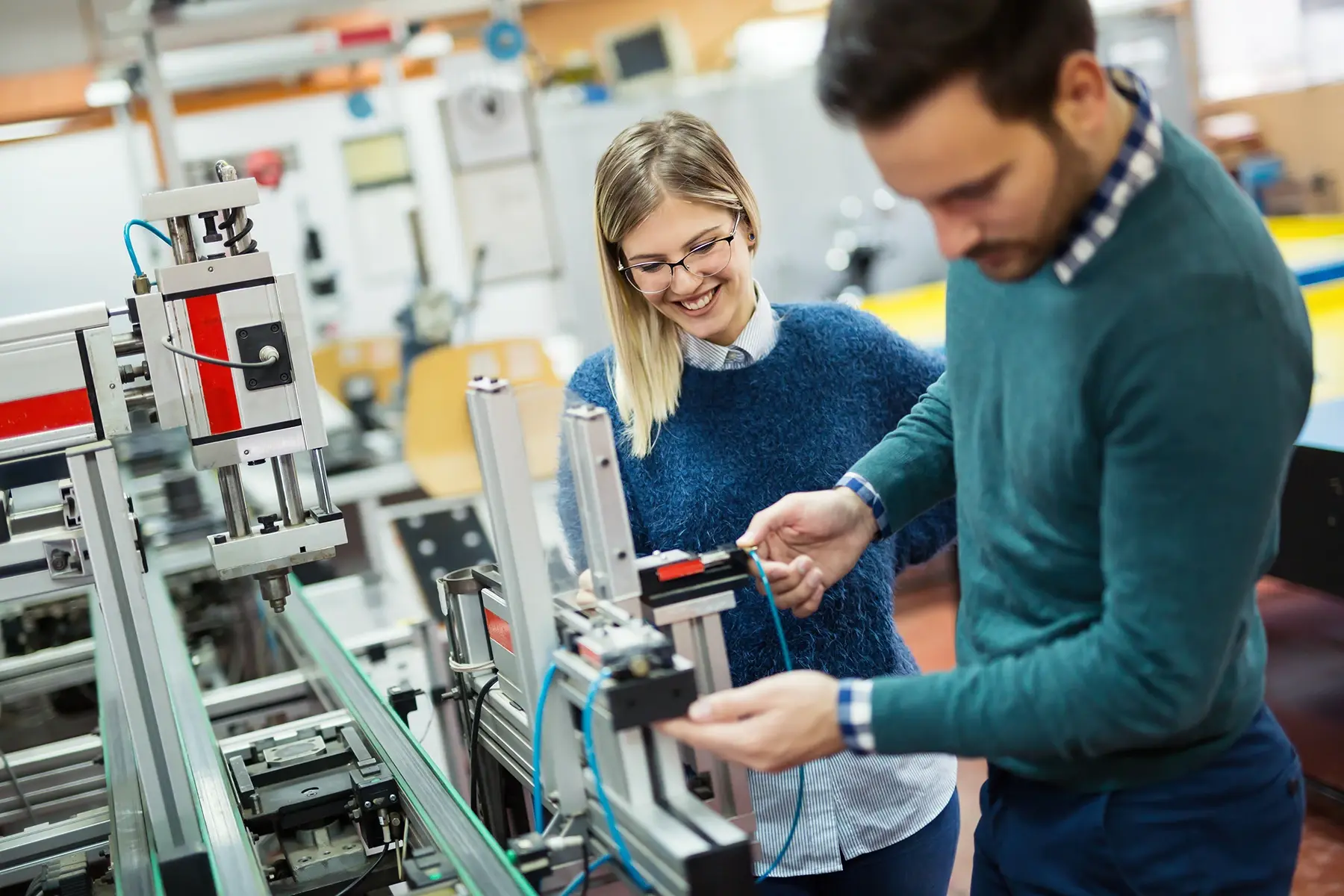
Precision doesn’t happen by accident. Calibration plays a critical role in ensuring equipment performs accurately, consistently, and safely—especially in industries where even the smallest measurement error can have serious consequences.
What Is Calibration?
Calibration is the process of verifying and, when necessary, adjusting an instrument or piece of equipment so it performs within the manufacturer’s specified tolerances across its intended range of use. In simple terms, it ensures that what your instrument measures is both accurate and reliable.
During calibration, measurements from the instrument are compared against a known reference standard. Any deviations are evaluated against acceptable tolerances—small, predefined limits that define allowable variation. Once complete, the process is documented through a calibration report or certificate, providing formal assurance that the equipment conforms to its specifications.
To maintain traceability and accuracy, reference standards themselves are routinely calibrated against recognized national standards.
Why Is Calibration Necessary?
All equipment changes over time. As components age, they gradually lose stability and drift from their original specifications. Even normal handling can impact accuracy, while rough handling or environmental exposure can cause significant measurement errors—sometimes without any visible signs of damage.
Regular calibration ensures equipment continues to perform as intended. A well-designed calibration program helps organizations:
- Maintain consistent product quality
- Reduce measurement-related errors and rework
- Improve operational efficiency and productivity
- Protect against safety risks and costly liabilities
- Support regulatory and quality system compliance
Ultimately, calibration isn’t just a maintenance task—it’s a safeguard for accuracy, reliability, and long-term performance.
When Should Equipment Be Calibrated?
Calibration frequency varies widely depending on the type of equipment, how it’s used, and how critical its measurements are to operations. While annual calibration is often considered a general rule of thumb, many applications require more frequent verification—especially in safety-critical or high-precision environments.
Establishing appropriate calibration intervals is a key part of an effective quality management strategy.
Who Should Perform Calibration?
Choosing the right calibration provider is just as important as calibrating the equipment itself. Calibration should be performed by qualified laboratories that adhere to recognized national and international standards.
Accreditation to ISO/IEC 17025 is widely considered the gold standard for testing and calibration laboratories—and in many industries, it’s a requirement. This standard outlines rigorous technical and quality management requirements and ensures ongoing oversight through regular audits and reviews.
Accredited providers, such as Precision Calibration Systems, offer confidence backed by compliance, traceability, and proven quality systems. What truly sets Precision Calibration Systems apart, however, is our exceptional customer responsiveness and fast turnaround times—because accuracy matters, and so does efficiency.
Request a Quote for Precision Calibration from PCS
-
ISO/IEC 17025 accredited calibration laboratory
-
Affordable calibration services with some of the fastest turnaround times in the industry
-
Mail-in laboratory calibration available in all 50 states
-
On-site calibration service available in Tennessee, Virginia, Alabama and Kentucky